Chess as a Tool for Developing Strategic Thinking in Kids
JB
Introduction to Chess and Strategic Thinking
Chess is more than just a board game; it's a powerful tool for fostering strategic thinking in children. As kids engage in this timeless game, they develop skills that are crucial not only in chess but also in real-life situations. In this post, we'll explore how chess can enhance strategic thinking in young minds.
The Benefits of Chess for Children
Playing chess offers numerous benefits for children. It helps in improving concentration, enhancing problem-solving skills, and boosting memory. But most importantly, chess teaches kids to think strategically. By planning their moves and anticipating their opponent's responses, children learn to look ahead and make informed decisions.
Chess and Critical Thinking
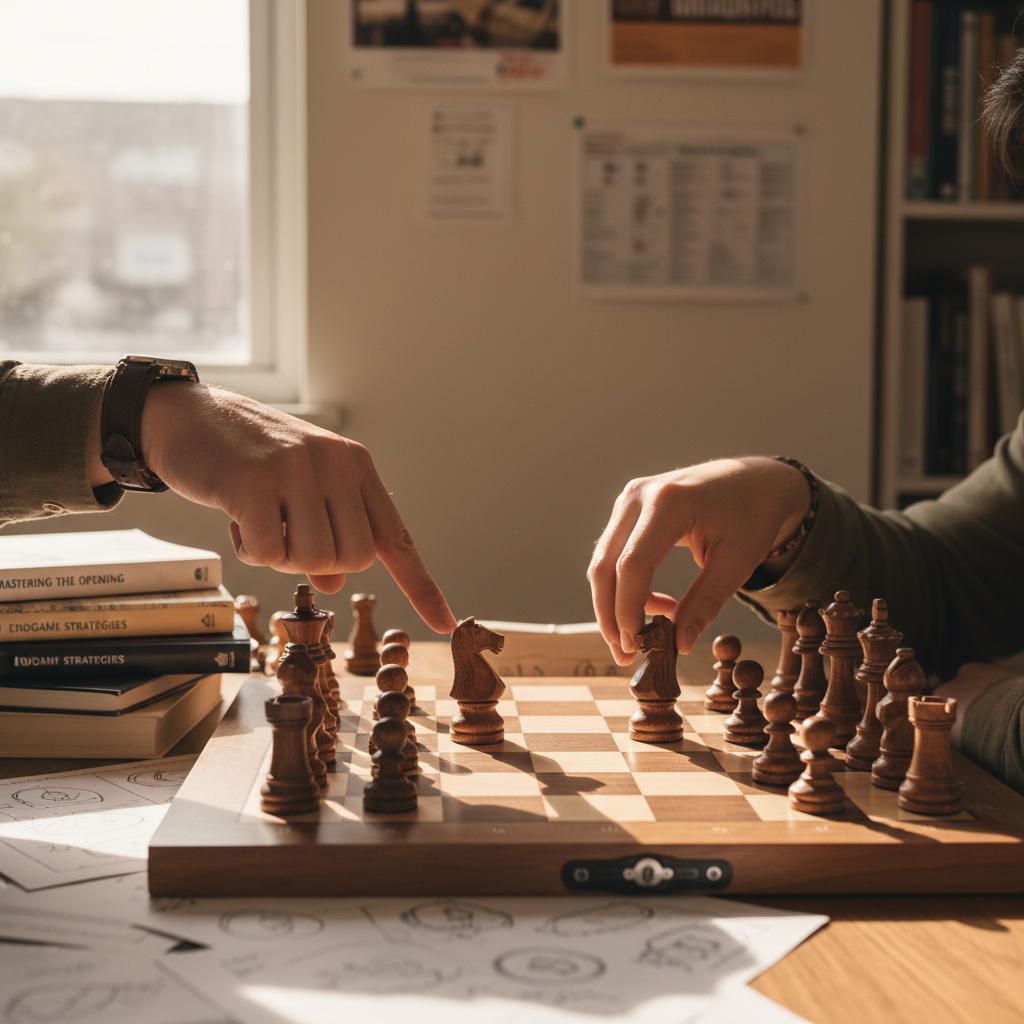
One of the key aspects of chess is its ability to develop critical thinking. Players must assess each move's potential outcomes, weigh the pros and cons, and adjust their strategies accordingly. This process encourages kids to think critically and analytically, skills that are invaluable in academics and everyday life.
Moreover, chess teaches children to learn from their mistakes. Every game provides an opportunity to reflect on what went wrong and how to improve. This fosters a growth mindset, where kids understand that failure is a stepping stone to success.
Building Patience and Persistence
Chess requires patience and persistence, qualities that are essential for strategic thinking. The game demands that players wait for the right moment to strike, teaching them the importance of timing and patience. This lesson extends beyond the chessboard, helping children develop the resilience needed to tackle challenges in various aspects of life.

Enhancing Decision-Making Skills
In chess, every move counts, and players must make decisions under pressure. This aspect of the game helps children enhance their decision-making skills, enabling them to make quick and effective choices. By evaluating different scenarios, kids learn to identify the best course of action, a skill that proves beneficial in both personal and academic endeavors.
Additionally, chess encourages children to think several steps ahead. This forward-thinking approach is crucial in developing long-term planning and foresight, essential components of strategic thinking.
Conclusion: The Lasting Impact of Chess
The strategic thinking skills developed through chess have a lasting impact on children's lives. Beyond the board, these skills translate into improved academic performance, better problem-solving abilities, and enhanced social interactions. Introducing children to chess not only provides them with a fun and engaging activity but also equips them with essential life skills.
Incorporating chess into a child's routine can be a rewarding experience for both the child and their guardians, opening doors to a world of strategic thinking and intellectual growth. Encourage your child to pick up a chess board today and watch as they develop into strategic thinkers of tomorrow.