Common Misconceptions About Kids and Chess: Debunked!
JB
Introduction to Kids and Chess
Chess is often perceived as a game reserved for prodigies or intellectuals. However, this board game is not only accessible to children, but it also offers numerous benefits. Despite its growing popularity among the younger crowd, several misconceptions persist about kids and chess. Let's debunk some of these myths.
Misconception 1: Chess Is Too Difficult for Kids
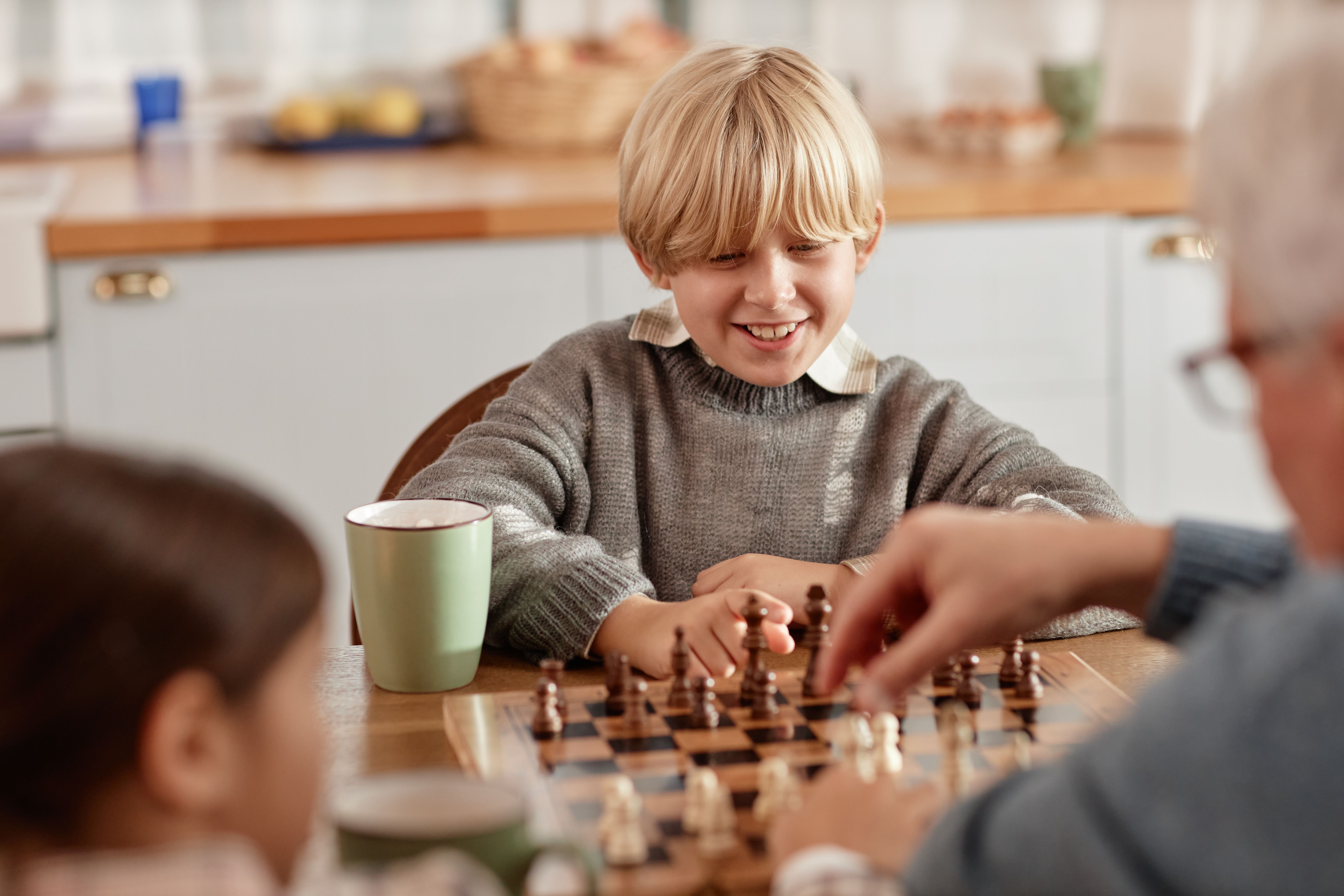
Many believe that chess is too complex for children to understand. While the game does involve strategy and foresight, kids can grasp the fundamentals quite easily. In fact, starting young can enhance their cognitive development, promoting skills like problem-solving and critical thinking.
Children often learn through play, and chess is no exception. Simplifying the rules and using engaging methods can help them enjoy and understand the game better. Remember, even the world’s top chess players started somewhere!
Misconception 2: Chess Is Boring for Kids
Another common myth is that chess lacks excitement for children. On the contrary, many kids find it thrilling to outsmart their opponents and learn new strategies. Chess teaches patience and concentration, which may seem dull initially, but mastering these skills can lead to a rewarding experience.
Misconception 3: Only Gifted Children Can Play Chess
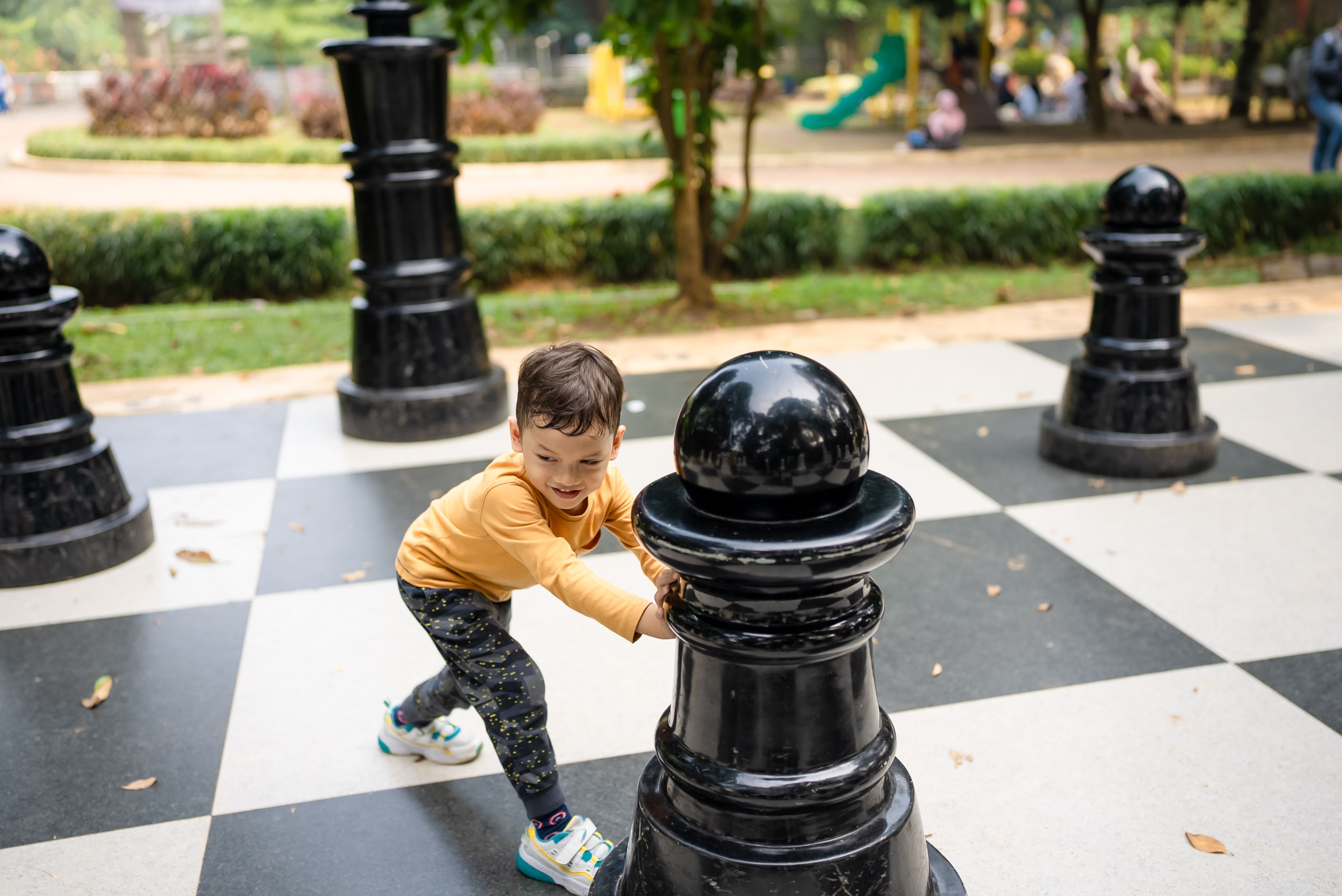
Chess is often associated with high intelligence, leading some to believe that only gifted children can excel in it. This is far from the truth. Chess is a game that can be enjoyed and played by anyone, regardless of their natural abilities. With practice and guidance, any child can improve their game.
Encouraging all children to play chess can foster a love for learning and an appreciation for strategy. It’s about the journey and the skills acquired along the way, not just innate talent.
Misconception 4: Chess Is an Isolated Activity
Some perceive chess as a solitary game that isolates children from social interaction. While it is true that chess can be played alone, it is also a fantastic way to connect with others. Many schools and communities offer chess clubs where children can meet, compete, and learn together.
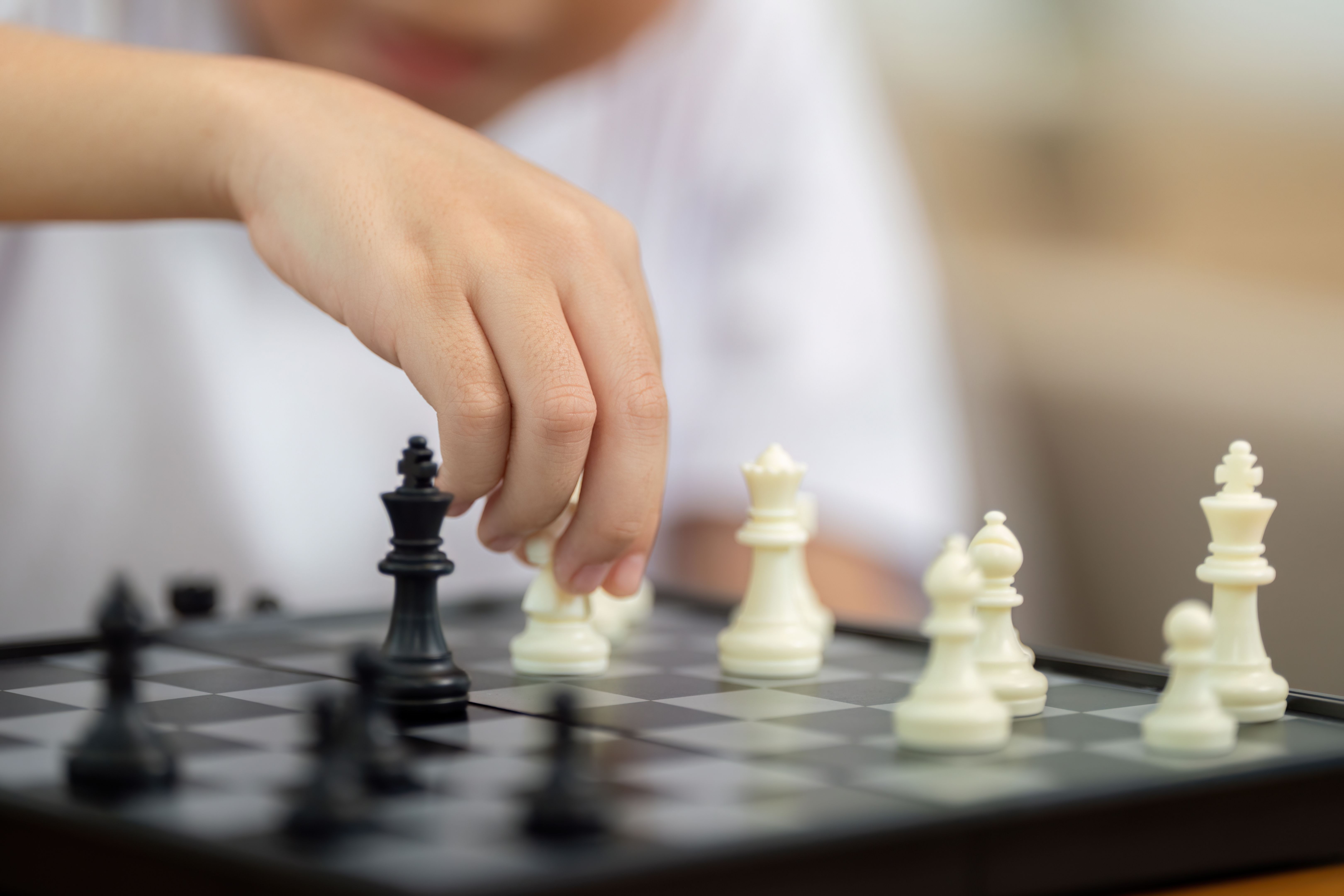
These clubs provide a social environment where kids can develop friendships and learn valuable social skills. Chess tournaments also offer opportunities for children to travel and interact with peers from different backgrounds.
Conclusion: Embracing Chess for All Kids
Understanding the truth about kids and chess helps in breaking down barriers and encouraging more children to pick up the game. Chess is not just for the few; it’s a universal game that can benefit all children by enhancing their mental and social skills.
By debunking these misconceptions, we hope to inspire more parents and educators to introduce chess to children, paving the way for a new generation of strategic thinkers and problem solvers.