
Common Misconceptions About Kids Learning Chess
JB
Understanding the Value of Chess for Kids
Chess is often seen as a game only for the highly intelligent or those with a natural talent for strategy. However, this perception can be misleading. In truth, chess is a game that offers a wealth of benefits for children of all ages and abilities. By dispelling common misconceptions, we can better appreciate how chess can be a valuable tool in a child's development.
One common misconception is that chess is too difficult for young children to understand. While the game may seem complex, children as young as five can grasp the basic rules and start playing. The key is in teaching them through engaging and age-appropriate methods.
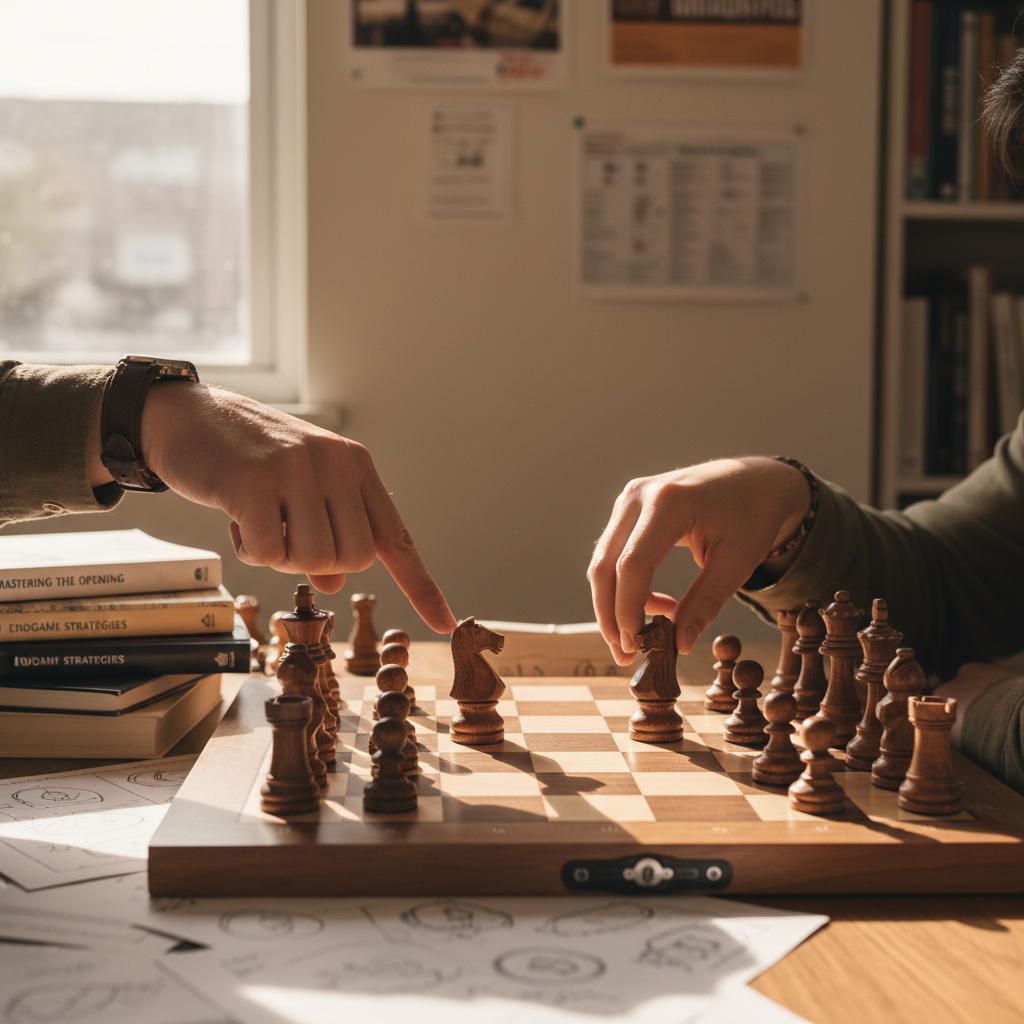
Chess Is Not Just for Gifted Children
Another prevalent belief is that chess is only suited for gifted children or those with a natural inclination towards analytical thinking. This simply isn't true. Chess can be enjoyed by all children, regardless of their natural abilities. It serves as a tool to enhance cognitive skills, such as problem-solving and critical thinking, which are beneficial to every child.
In fact, studies have shown that children who play chess regularly improve their academic performance. This is because the game encourages them to think ahead, plan strategically, and adapt to new situations—skills that are applicable in a classroom setting and beyond.
The Myth of Chess Being a Solitary Activity
Many people believe that chess is a solitary game, but this is a misconception. While it is true that chess is played one-on-one, it is a highly social activity. Children learn to communicate, negotiate, and even make friends through chess clubs and competitions. The game fosters a sense of community and belonging, as children share their passion and learn from one another.
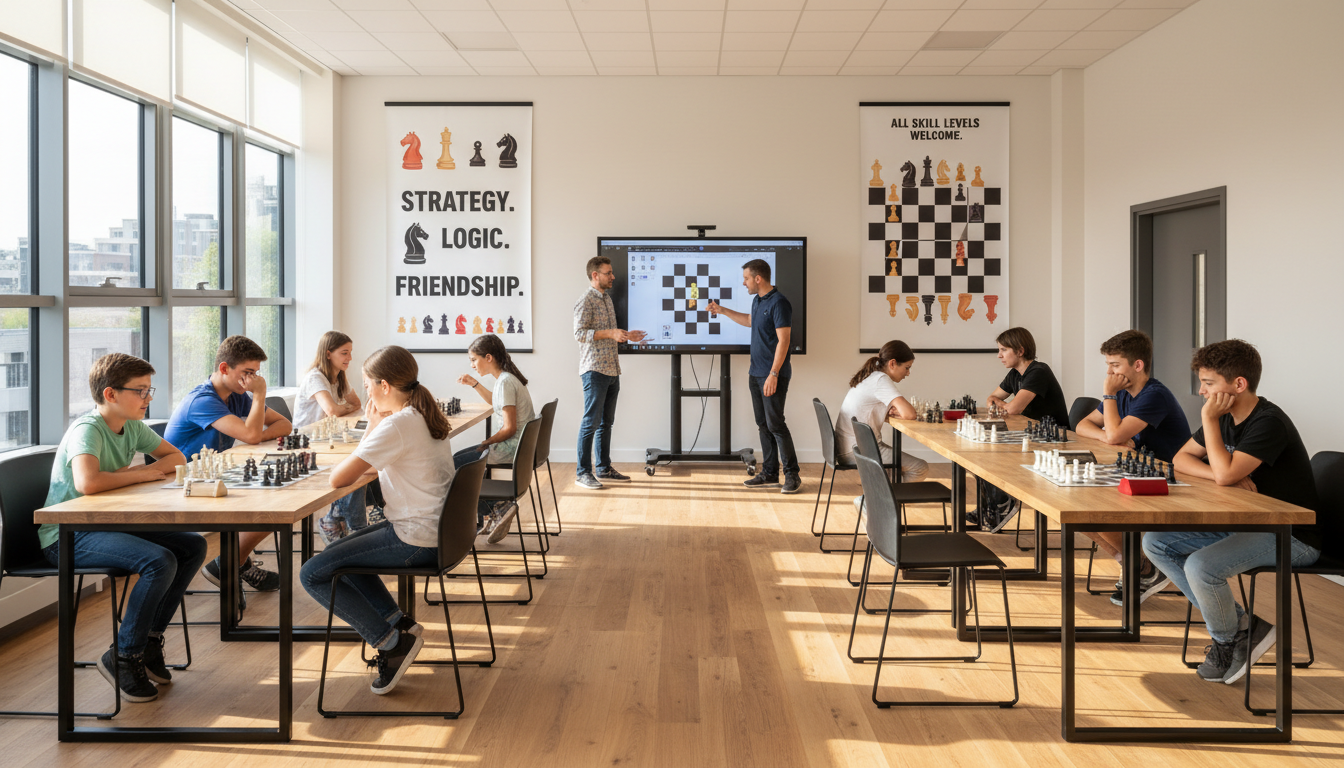
Chess and Gender Stereotypes
There is also a stereotype that chess is a male-dominated game. This perception can discourage girls from taking an interest in chess. However, more girls and women are actively participating in chess than ever before, and initiatives are in place to encourage female participation. Chess is a game for everyone, and breaking down these stereotypes is vital for creating an inclusive environment.
Encouraging girls to play chess can also help in building confidence and resilience. As they compete and succeed, they learn that their skills and intelligence are valuable assets, which can empower them in other areas of life.

The Time Commitment Misunderstanding
Lastly, some parents worry that chess requires too much time and dedication, which might detract from other activities or academic responsibilities. While becoming a chess grandmaster does require significant effort, the game can be enjoyed without such a commitment. Casual play can fit into any schedule, providing mental stimulation and relaxation.
Moreover, integrating chess into a child's routine can be a fun and rewarding experience. It's a way to spend quality time together while also nurturing their growth and development.