Common Misconceptions About Kids Learning Chess
JB
Introduction to Kids and Chess
Chess is often seen as a game reserved for intellectual elites or adults with strategic minds. However, this perception overlooks the growing number of children who are learning and excelling at the game. Despite its benefits, there are several misconceptions about kids learning chess that deserve clarification.
Chess is Too Complex for Kids
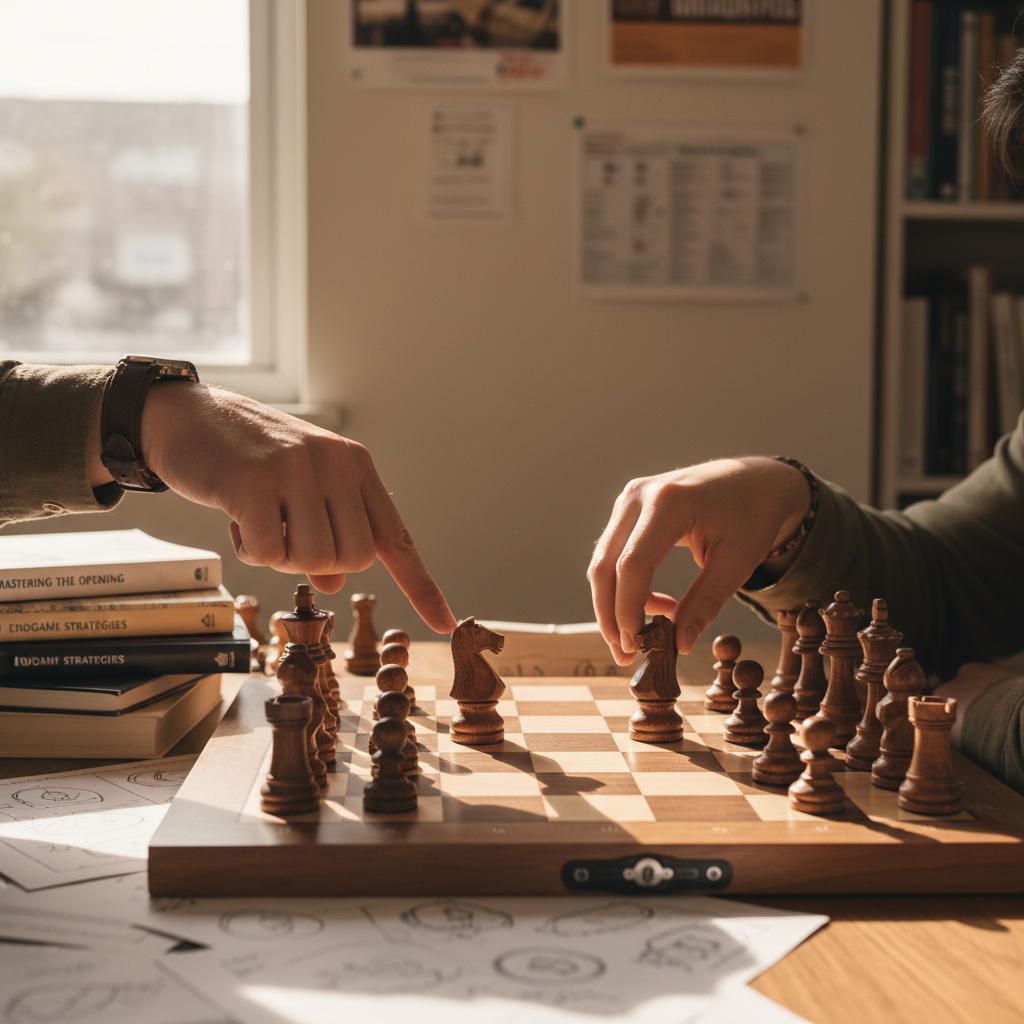
One common misconception is that chess is too complex for children to understand. In reality, kids as young as four or five can start learning the basics of the game. The key is to introduce chess in an engaging and age-appropriate manner. With the right guidance, children can learn to think several moves ahead, boosting their cognitive skills.
Teaching chess to kids involves breaking down the game into manageable pieces. By simplifying the rules and focusing on fun, children can gradually develop an appreciation for the strategic aspects of chess.
Chess is Only for Gifted Children
Another misconception is that only exceptionally gifted kids can play chess. This belief can discourage many from even trying. In truth, chess is a game that can be enjoyed by all children, regardless of their academic abilities. It encourages logical thinking, patience, and problem-solving skills, which are beneficial to every child.
Chess is Just a Game
Some believe that chess is merely a pastime with no educational value. However, numerous studies have shown that playing chess can significantly enhance a child's mental capabilities. It improves concentration, memory, and even mathematical skills. Schools around the world are increasingly incorporating chess into their curricula to foster these benefits.
Moreover, chess teaches children important life skills such as decision-making, planning, and resilience. It provides a platform for learning from mistakes and handling both victories and losses graciously.
Chess is a Solo Activity
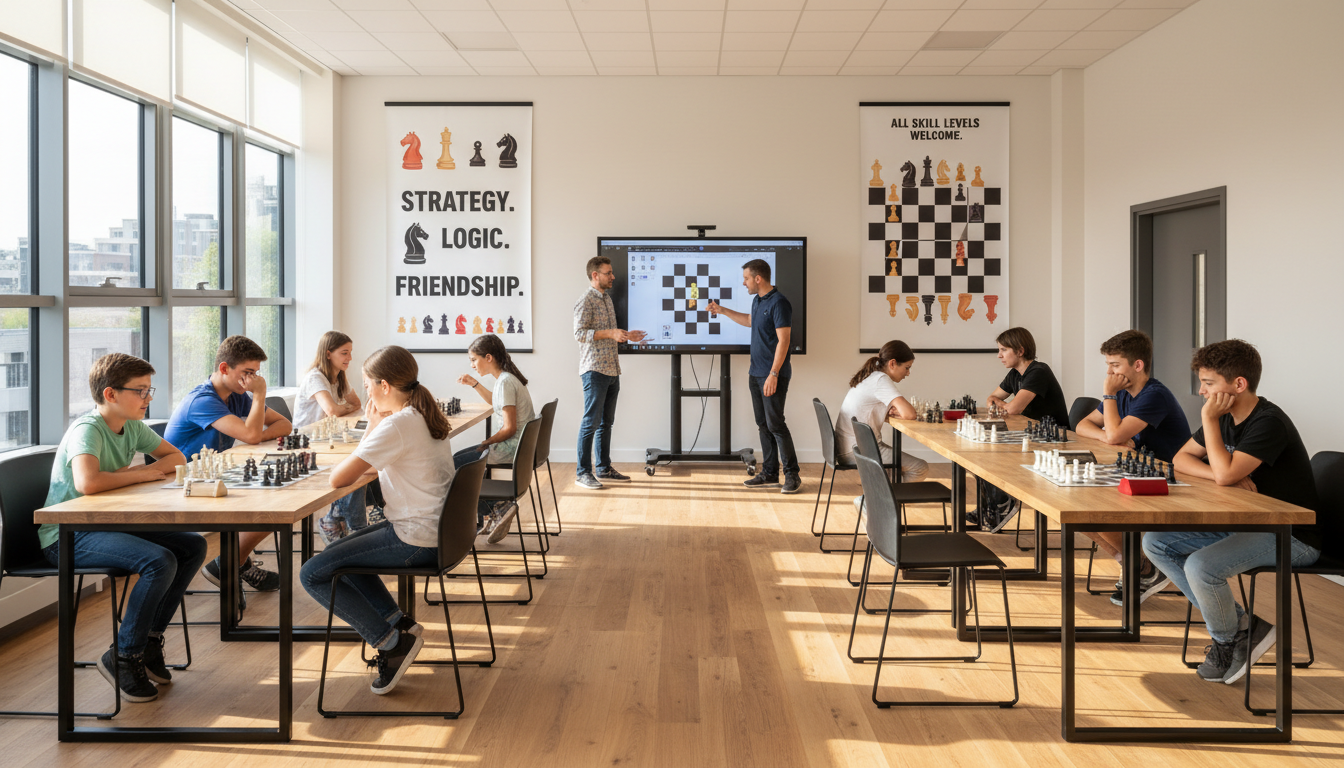
While it's true that chess is typically played one-on-one, it is far from being a solitary activity. Chess clubs and tournaments provide social interaction and a sense of community for young players. These settings allow children to meet peers who share similar interests, fostering friendships and teamwork.
Conclusion
In summary, these misconceptions about kids learning chess often deter parents and educators from introducing the game to children. By understanding and addressing these myths, we can better appreciate the value chess brings to young minds. Encouraging children to play chess can lead to a lifetime of critical thinking, strategic skills, and enjoyment.