Comprehensive Guide to Junior Chess Coaching in Chessington
JB
Introduction to Junior Chess Coaching
Chess is more than just a game; it's a tool for developing critical thinking and problem-solving skills in young minds. If you're in Chessington and looking to nurture your child's interest in chess, this comprehensive guide to junior chess coaching is for you. Whether your child is a beginner or has some experience, understanding the fundamentals of coaching will help them excel.
Finding the Right Coach
Choosing the right chess coach is crucial for your child's development. A good coach should not only be skilled in chess but also have the ability to communicate effectively with young learners. Look for coaches with experience in working with children, as they will understand how to keep lessons engaging and educational.
Research local chess clubs and community centers in Chessington, as they often offer coaching sessions for juniors. Don't hesitate to ask for recommendations from other parents or check online reviews for insights into the best coaching options available.

Qualities to Look For
When evaluating potential coaches, consider the following qualities:
- Patience: Essential for guiding young learners through challenging concepts.
- Enthusiasm: A passionate coach can inspire a lasting love for the game.
- Adaptability: Ability to tailor lessons to suit different skill levels and learning styles.
Structuring Lessons
A well-structured lesson plan is key to effective chess coaching. Lessons should be a mix of theory, practice, and fun activities to keep children engaged. Start with the basics, such as understanding the chessboard, the pieces, and their movements. Gradually introduce more complex strategies and tactics as the child progresses.
Incorporate interactive elements like puzzles and mini-games, which can help reinforce learning and make sessions enjoyable. Encourage your child to participate in friendly competitions to apply their skills in a practical setting.
Setting Goals
Setting achievable goals is important for maintaining motivation and tracking progress. Work with the coach to establish short-term and long-term objectives tailored to your child's skill level. Celebrate milestones, such as mastering a new strategy or winning a local tournament, to boost their confidence and enthusiasm.
Resources and Tools
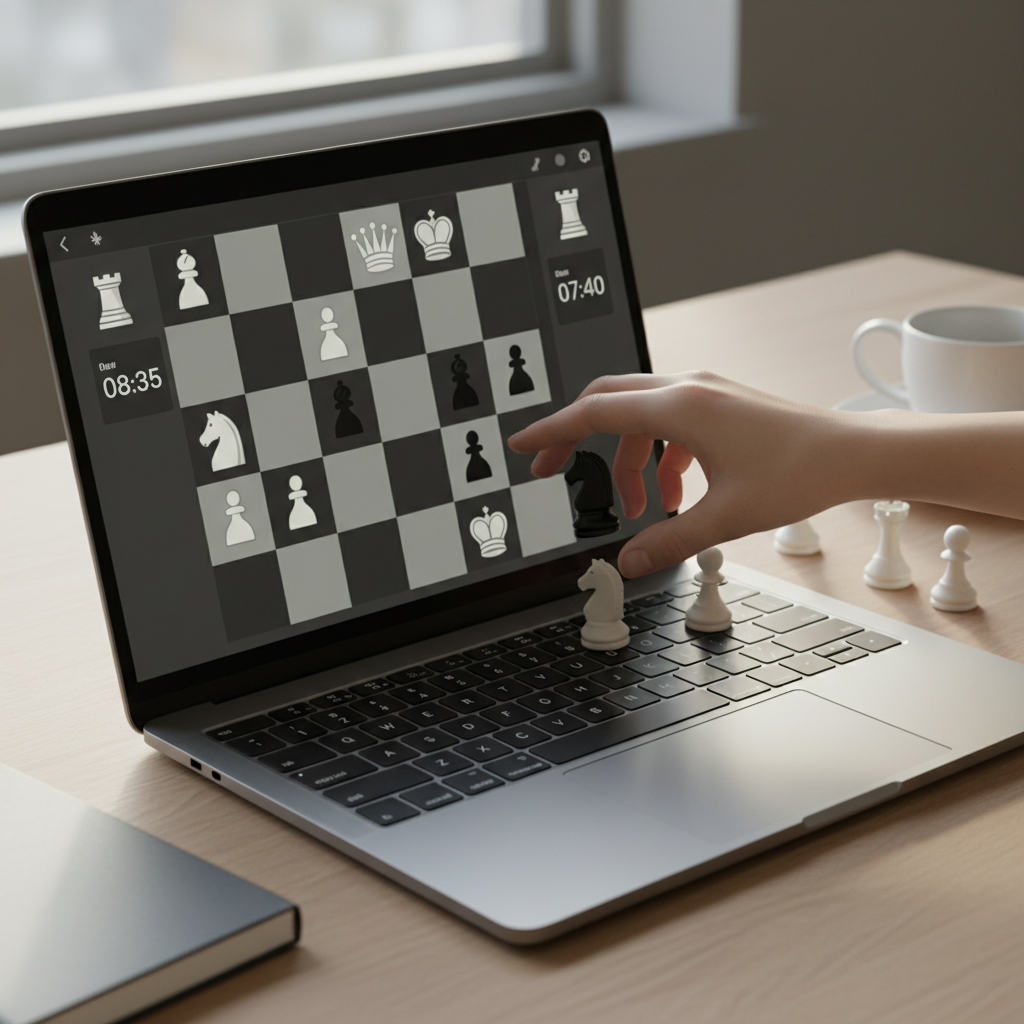
Utilizing the right resources and tools can significantly enhance the learning experience. Invest in chess books designed for juniors, which often include easy-to-understand explanations and exercises. Online platforms also offer interactive tutorials and games that can supplement in-person coaching sessions.
Consider using chess software that allows for practice against virtual opponents at varying difficulty levels. These tools can provide valuable practice opportunities outside of coaching sessions, reinforcing what has been learned.

Encouraging Practice
Consistent practice is vital for improvement in chess. Encourage your child to play regularly, whether it's with family, friends, or online. Create a conducive environment at home with a dedicated space for chess, making it easy and inviting for your child to engage with the game.
Remember, the goal is to foster a love for chess that goes beyond just winning. By following this comprehensive guide to junior chess coaching in Chessington, you'll be well on your way to helping your child develop valuable skills that will benefit them both on and off the chessboard.