Expert Tips: Teaching Chess Strategies to Young Players
JB
Understanding the Basics
Teaching chess to young players can be an incredibly rewarding experience. The first step is to ensure they understand the basic rules and movements of each piece. Focus on how each piece moves individually and then gradually introduce the concept of strategy. Use simple language and relatable analogies to make these concepts clear.
Making it Fun
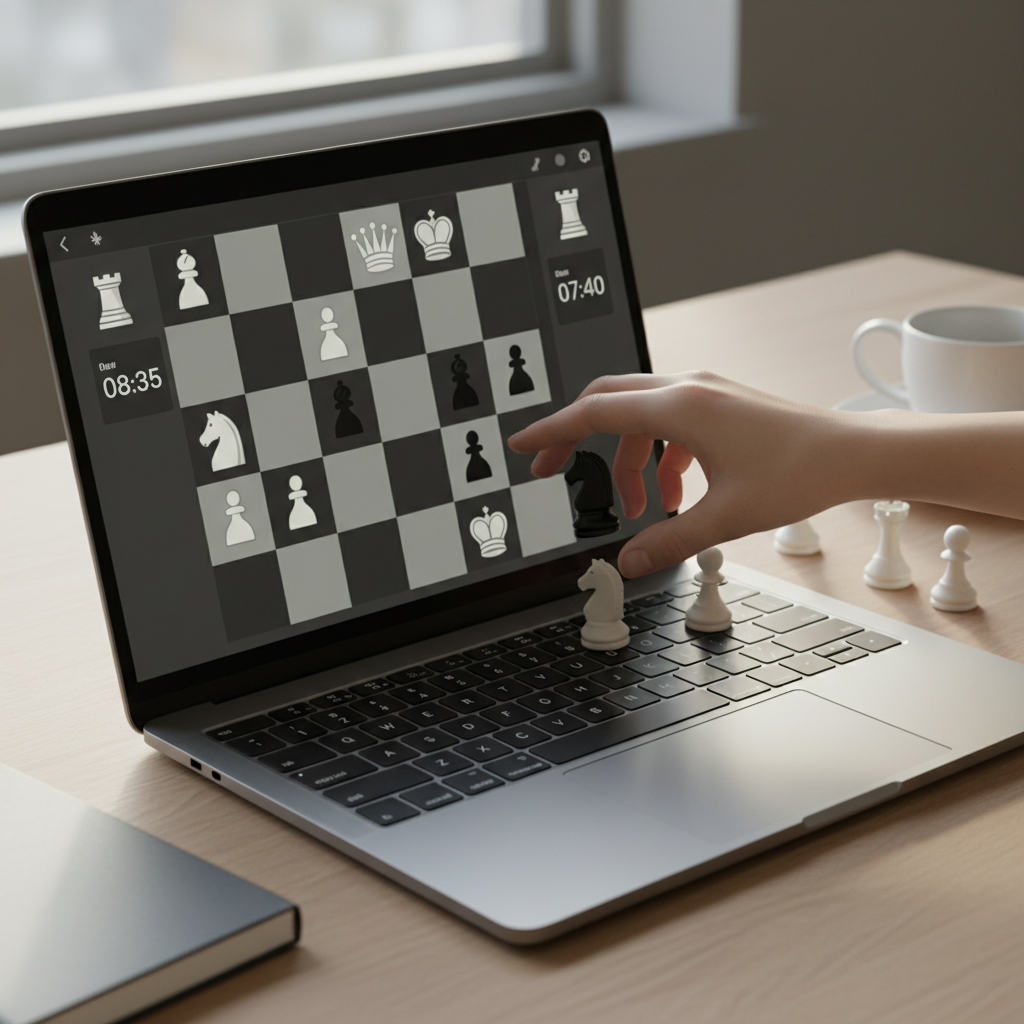
Chess can seem daunting at first, so it's important to make learning fun. Incorporate games and challenges that allow students to practice without feeling overwhelmed. Encourage them to experiment with different strategies and learn from mistakes. Remember, the goal is to build confidence and enjoyment in the game.
Consider using storytelling techniques to bring the game to life. Create stories around famous chess matches or invent characters for each piece. This approach can help young players develop a deeper connection to the game.
Introducing Basic Strategies
Once the basics are covered, it's time to introduce simple strategies. Start with the concept of controlling the center of the board. Explain why this is important and how it can lead to a stronger position. Use examples from famous games to illustrate these points.
Developing Pieces
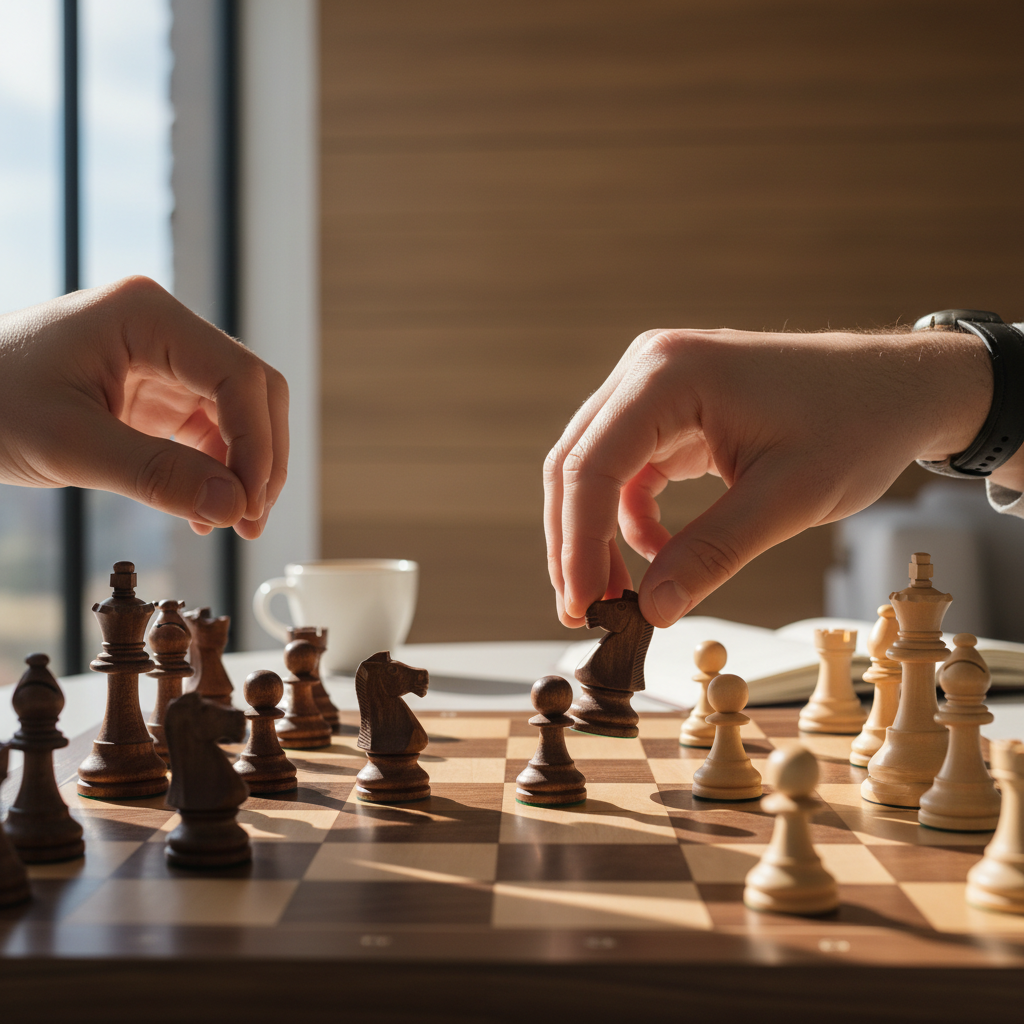
Encourage players to develop their pieces early in the game. Explain the importance of activating all the pieces rather than relying on just one or two. Demonstrate how developing multiple pieces can create opportunities and threats against the opponent.
Use exercises that involve specific objectives, such as developing pieces within a certain number of moves. This can help players practice efficiency and foresight.
Practicing Endgames
Endgames can be challenging, but they are a crucial part of chess strategy. Teach young players the basics of pawn promotion and how to checkmate with limited pieces. Simplify these concepts by breaking them down into smaller, more manageable parts.

Encouraging Critical Thinking
Chess is not just a game of moves but also of foresight and planning. Encourage critical thinking by asking players to predict their opponent's moves and plan several moves ahead. Use puzzles and practice scenarios to develop these skills.
Regular practice is key. Encourage young players to play games regularly, analyze their moves, and learn from both victories and defeats. This will not only improve their chess skills but also enhance their problem-solving abilities.
Building a Community
Finally, consider creating a community of young chess enthusiasts. Organize small tournaments or chess clubs where they can play against peers. This not only enhances their skills but also builds friendships and a sense of belonging.
Encouraging a supportive environment where young players can share strategies, discuss games, and learn from each other can greatly enhance their growth and enjoyment of chess.