Getting Started with Chess: A Beginner's Guide for Kids in Chessington
JB
Introduction to Chess
Chess is a fascinating game that combines strategy, skill, and patience. It's a great activity for kids, offering not only fun but also a chance to develop critical thinking and problem-solving skills. If you're in Chessington and want to introduce your child to the world of chess, you're in the right place!
The Basics of Chess
Chess is played on an 8x8 board with 64 squares. Each player starts with 16 pieces: 1 king, 1 queen, 2 rooks, 2 knights, 2 bishops, and 8 pawns. The objective is to checkmate your opponent's king while keeping yours safe.
Each type of piece moves differently. For example, the rook moves in straight lines, while the knight moves in an L-shape. Understanding these movements is essential for beginners.
Setting Up the Board
Setting up the chessboard correctly is the first step in playing. Remember, the bottom-right square should be white. Place your pieces in the first two rows closest to you. The second row is filled with pawns, and the first row follows this order: rook, knight, bishop, queen, king, bishop, knight, rook.

Basic Strategies for Beginners
As a beginner, focus on controlling the center of the board. This gives your pieces more mobility and control. Try to develop your pieces quickly and efficiently. Avoid moving the same piece multiple times in the opening unless necessary.
Another key strategy is to protect your king. Castling can help by moving your king to a safer position while also developing your rook. Remember, you can only castle if neither the king nor the rook has moved, and the squares between them are unoccupied.
Practicing and Improving
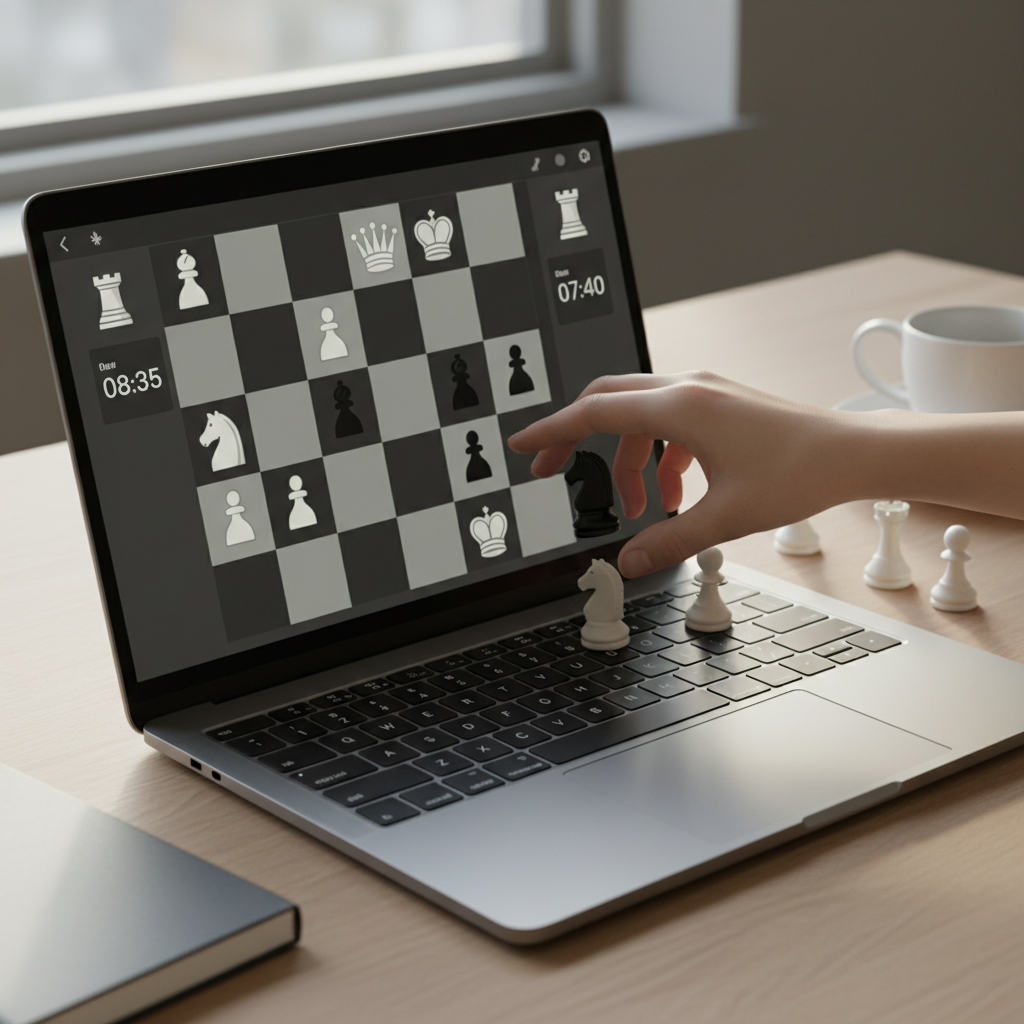
Practice is essential for improving in chess. Encourage your child to play regularly, whether against family members, friends, or online opponents. Watching chess tutorials and solving chess puzzles can also help sharpen their skills.
Joining a Chess Club in Chessington
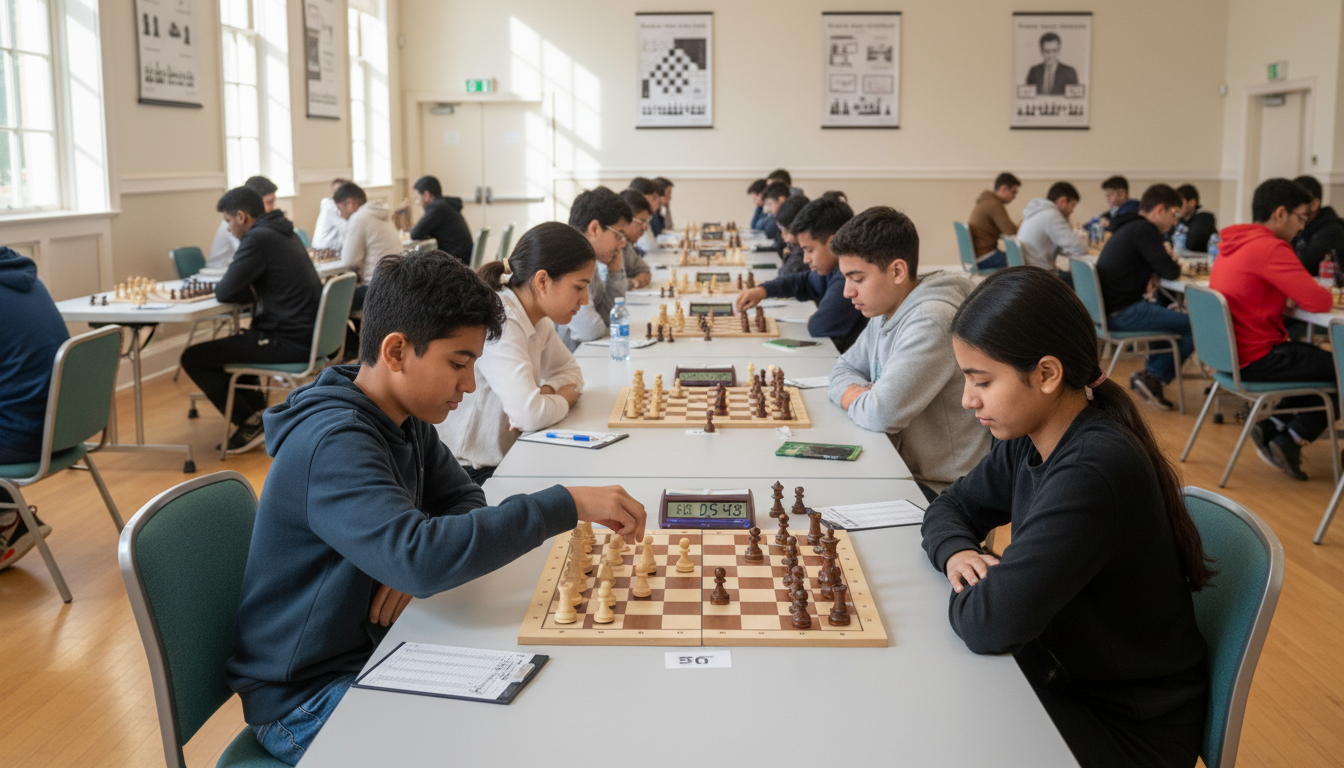
Joining a local chess club can provide a supportive environment for your child to learn and grow. Clubs often offer lessons, tournaments, and the chance to play with peers. It's a great way to meet other chess enthusiasts and learn from experienced players.
Check out local community centers or libraries in Chessington for chess clubs or events. Participating in these activities can enhance your child's love for the game and improve their skills.
Conclusion
Chess is more than just a game; it's a valuable learning tool. By introducing your child to chess, you're helping them develop important cognitive skills. Whether through casual play at home or by joining a club in Chessington, the benefits are plentiful. Start today and watch your child’s love for chess grow!