How Chess Fosters Strategic Thinking in Children: Insights from Chessington
JB
Chess has long been revered not only as a game of intellect and patience but also as an effective tool for developing strategic thinking in children. At Chessington, we’ve witnessed firsthand how this ancient game can transform young minds.

The Importance of Strategic Thinking
Strategic thinking is a valuable skill that goes beyond the chessboard. It involves planning, foresight, and decision-making, all of which are crucial for success in various life aspects. In today's fast-paced world, nurturing these skills in children can set them up for future accomplishments.
Chessington has embraced the challenge of integrating strategic thinking into the learning process. By introducing chess at an early age, children learn to anticipate their opponent's moves, weigh their options, and make informed decisions.
How Chess Encourages Critical Thinking
Playing chess requires players to analyze the board, consider potential moves, and foresee the consequences of their actions. This process inherently boosts critical thinking skills. At Chessington, children are taught not just to play but to think critically and evaluate situations objectively.
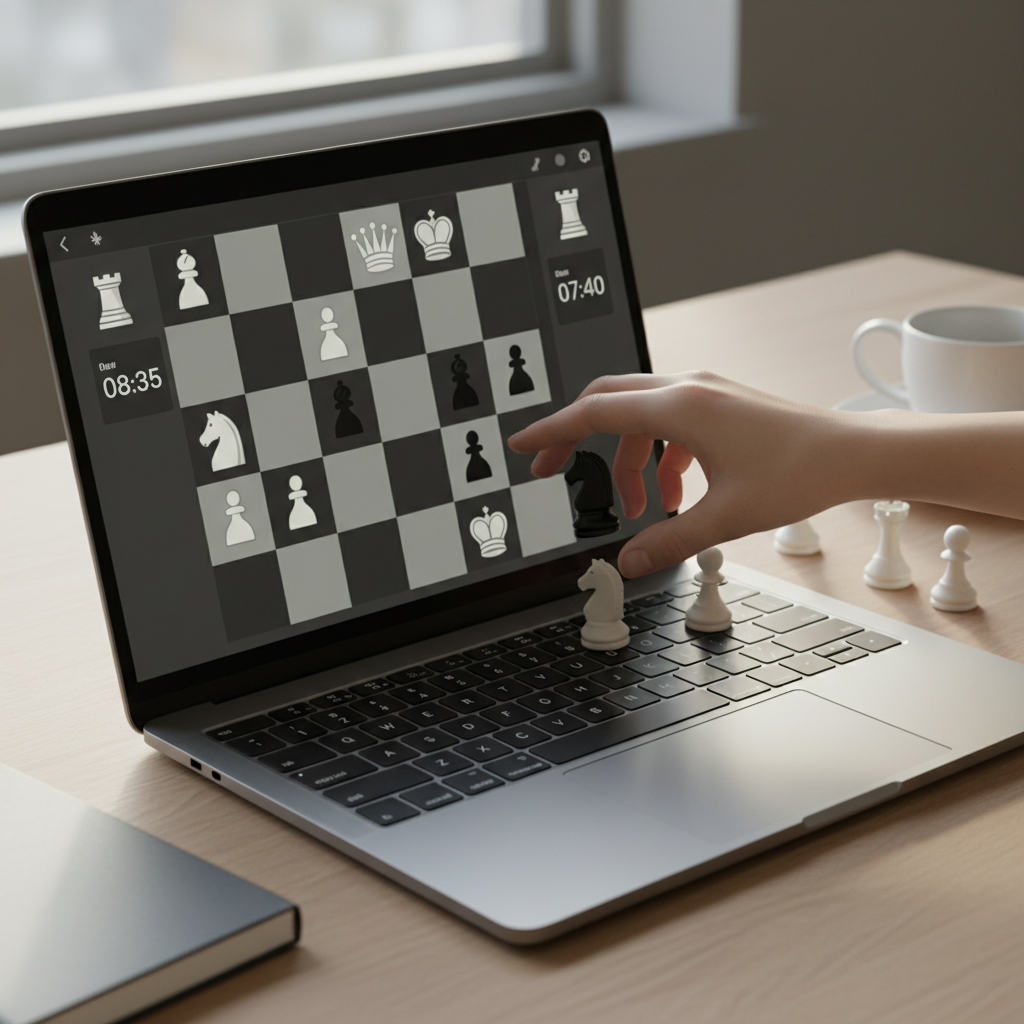
The game of chess challenges children to think ahead, plan, and adapt to changing situations. It’s a dynamic exercise in problem-solving that encourages them to think multiple steps ahead, a key component of strategic thinking.
Building Patience and Focus
One of the most significant benefits of playing chess is the development of patience and focus. Chess requires sustained concentration, and children quickly learn that impulsive moves can lead to defeat. This patience is a crucial skill that translates into their academic and personal lives.
At Chessington, our instructors emphasize the importance of staying calm and focused, even when the game seems challenging. Through practice, children learn the value of patience and how it can lead to more thoughtful and effective decision-making.

Enhancing Memory and Cognitive Abilities
Regular chess practice has been shown to enhance memory and cognitive abilities. Children must remember previous games, strategies, and patterns, which strengthens their memory and cognitive functions. This mental exercise is akin to a workout for the brain, promoting mental growth and agility.
Chessington’s curriculum is designed to challenge and expand young minds. By engaging in chess, children sharpen their memory and improve their ability to process information quickly and accurately.
Instilling Confidence and Resilience
Finally, chess instills confidence and resilience. Winning a game boosts self-esteem, while losing teaches valuable lessons in humility and perseverance. At Chessington, children learn that failure is just another step toward improvement, fostering a growth mindset.
This sense of resilience and confidence is invaluable, encouraging children to tackle challenges head-on and view setbacks as opportunities for learning and growth.
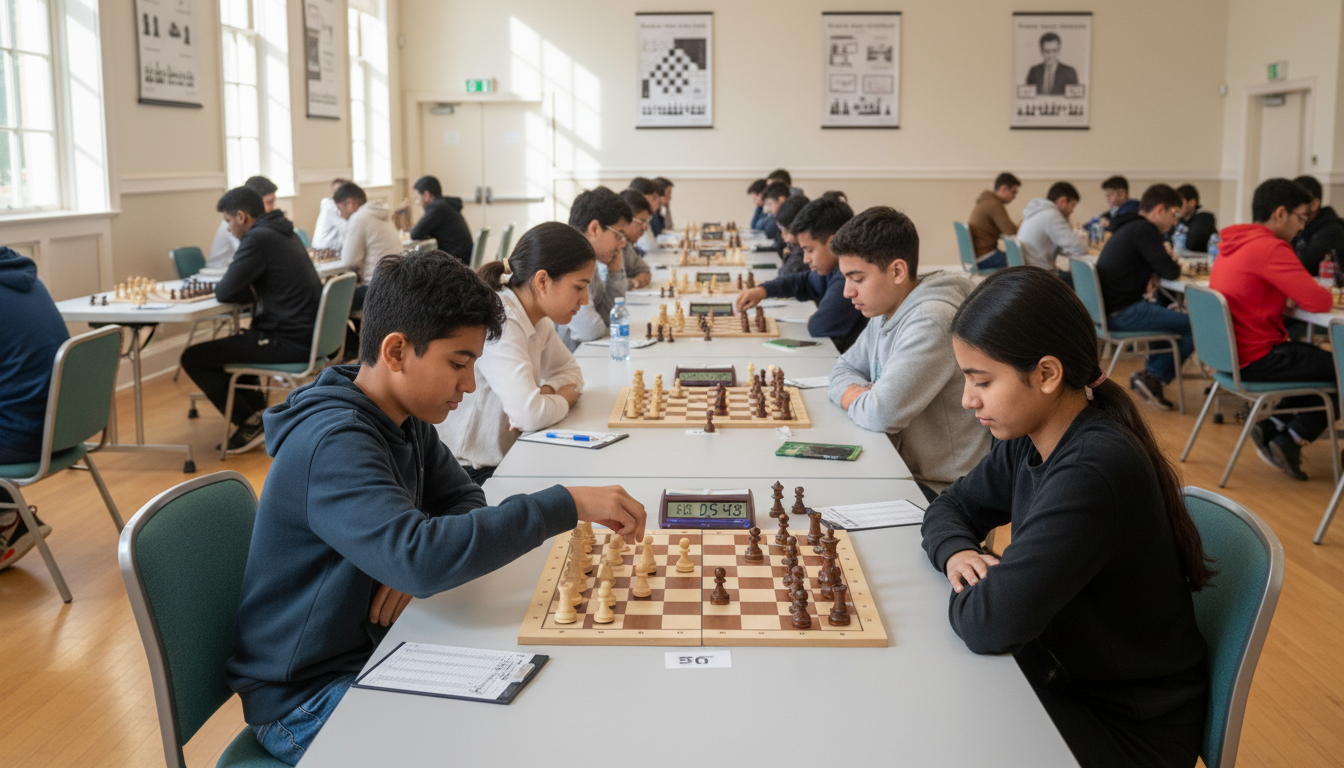
In conclusion, chess is much more than a game; it is a powerful educational tool that fosters strategic thinking, critical analysis, and cognitive development. At Chessington, we are committed to nurturing these skills in children, preparing them for a future filled with challenges and opportunities.