How Chessington Junior Chess Club Fosters Strategic Thinking in Children
JB
The Importance of Strategic Thinking in Early Development
Strategic thinking is a crucial skill that can benefit children throughout their lives. It involves planning, problem-solving, and the ability to anticipate future outcomes. These skills are not only vital in academics but also in everyday decision-making. The Chessington Junior Chess Club is dedicated to nurturing these abilities in young minds through the timeless game of chess.
Chess as a Tool for Cognitive Development
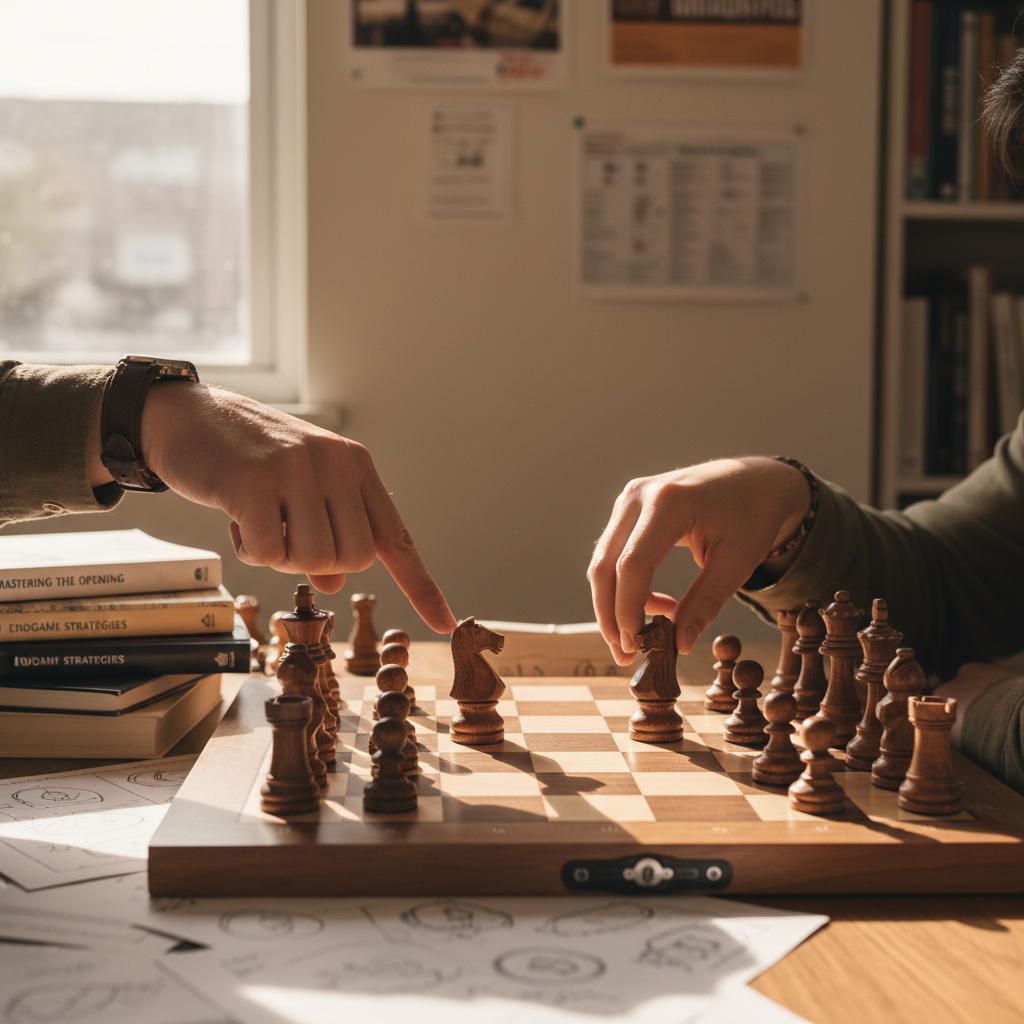
Chess is more than just a game; it's a powerful educational tool that enhances cognitive abilities. Research shows that playing chess improves memory, concentration, and analytical skills. At the Chessington Junior Chess Club, children are introduced to chess in a way that is both fun and educational, ensuring they develop these critical skills while enjoying the process.
The club's approach focuses on engaging children with interactive lessons and exciting challenges. This not only keeps them interested but also helps them apply strategic thinking in real-life scenarios, such as planning their schoolwork or solving practical problems.
Personalized Learning Experiences
One of the unique aspects of the Chessington Junior Chess Club is its commitment to personalized learning. Each child receives individual attention tailored to their skill level and learning pace. This ensures that every participant can maximize their potential and achieve personal growth.

Encouraging a Growth Mindset
The club fosters a growth mindset, encouraging children to view challenges as opportunities to learn and improve. By promoting resilience and perseverance, the Chessington Junior Chess Club helps children understand that mistakes are part of the learning process, not a setback.
This mindset is crucial not only in chess but in all aspects of life, as it prepares children to face difficulties with confidence and determination.
Building Social and Emotional Skills
In addition to strategic thinking, the Chessington Junior Chess Club also focuses on building social and emotional skills. Children learn the importance of sportsmanship, respect, and collaboration through regular practice and friendly competitions.
Creating a Supportive Community
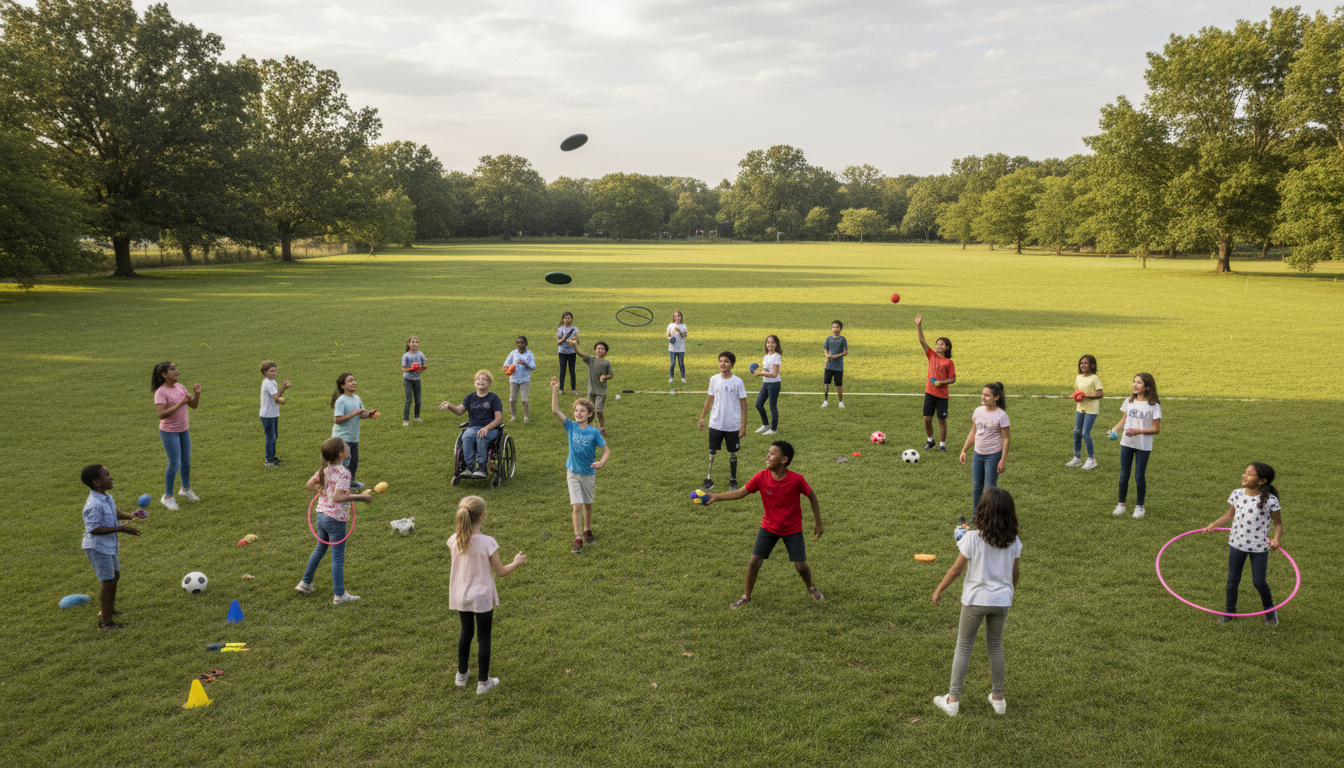
The club creates a supportive environment where children can make friends and share experiences. This sense of community helps them develop empathy and effective communication skills, which are essential in their personal and social development.
By participating in the Chessington Junior Chess Club, children not only enhance their strategic thinking but also become well-rounded individuals ready to tackle future challenges.
Conclusion
The Chessington Junior Chess Club is more than just a place to play chess; it is a nurturing ground for young minds to develop strategic thinking and essential life skills. Through personalized learning, a growth mindset, and a supportive community, the club equips children with the tools they need to succeed both in and out of the classroom.