
The Role of Chess in Developing Strategic Thinking and Sportsmanship in Children
JB
The Importance of Chess in Child Development
Chess is not just a game; it is a powerful educational tool that can significantly contribute to the development of a child's mind. By engaging in chess, children learn valuable skills that extend far beyond the chessboard.
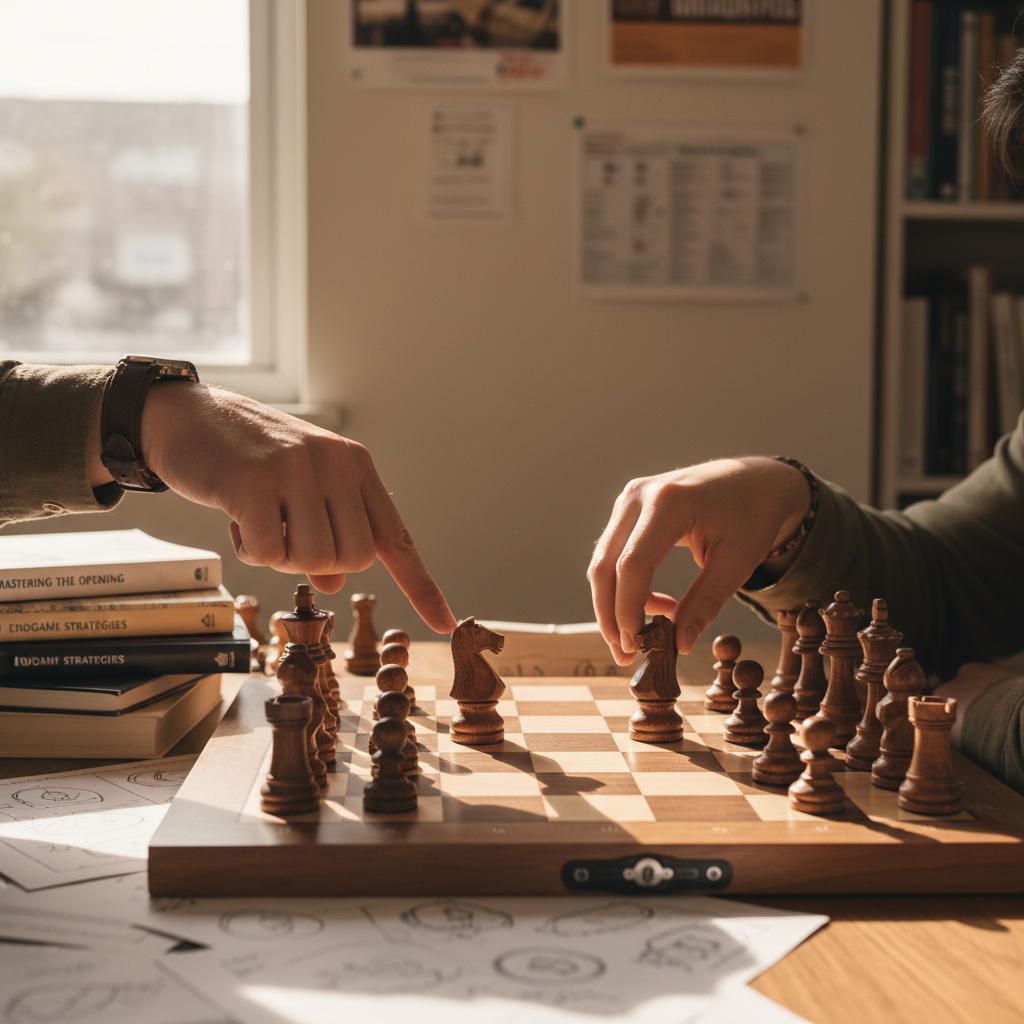
Cultivating Strategic Thinking
One of the primary benefits of chess is its ability to enhance strategic thinking. Players must plan several moves ahead, anticipate their opponent's responses, and adapt their strategies accordingly. This process encourages children to think critically and make decisions based on careful analysis rather than impulsive reactions.
Children who play chess regularly develop better problem-solving skills and learn to approach complex situations with a structured mindset. These abilities are not only beneficial in academics but also in real-life scenarios where strategic thinking is essential.
Building Patience and Concentration
Chess requires intense concentration and patience, as games can last for several hours. Children learn to focus their attention and resist distractions, leading to improved concentration in other areas of life. This skill is particularly useful in today's fast-paced world, where the ability to maintain focus is increasingly important.

Fostering Sportsmanship
Chess teaches children about sportsmanship and the importance of respecting their opponents. Win or lose, players learn to accept outcomes gracefully, understanding that every game is an opportunity for growth and learning. This lesson in humility and respect is crucial for personal development.
By playing chess, children also learn to appreciate the effort and skill of others, promoting empathy and understanding. These qualities are vital for building strong interpersonal relationships.

Enhancing Memory and Cognitive Abilities
Chess is an excellent way to boost memory and cognitive abilities. Players must remember various moves and strategies, which enhances memory retention. Additionally, the game develops cognitive skills such as pattern recognition and logical reasoning.
Studies have shown that children who play chess regularly perform better in subjects like mathematics and science, where these cognitive skills are essential.
Conclusion: A Game for Lifelong Benefits
Incorporating chess into a child's routine can have lasting benefits that extend into adulthood. From strategic thinking and concentration to sportsmanship and cognitive development, the skills learned through chess are invaluable.
Encouraging children to play chess not only provides them with a fun and challenging pastime but also equips them with essential life skills that can lead to future success.