Top Chess Strategies for Kids: Expert Tips from Chessington
JB
Introduction to Chess for Kids
Chess is a fantastic way for kids to develop critical thinking and problem-solving skills. At Chessington, we believe in nurturing young minds through this strategic game. Our expert tips can help your child enhance their chess abilities and enjoy the game even more.
Understanding the Basics
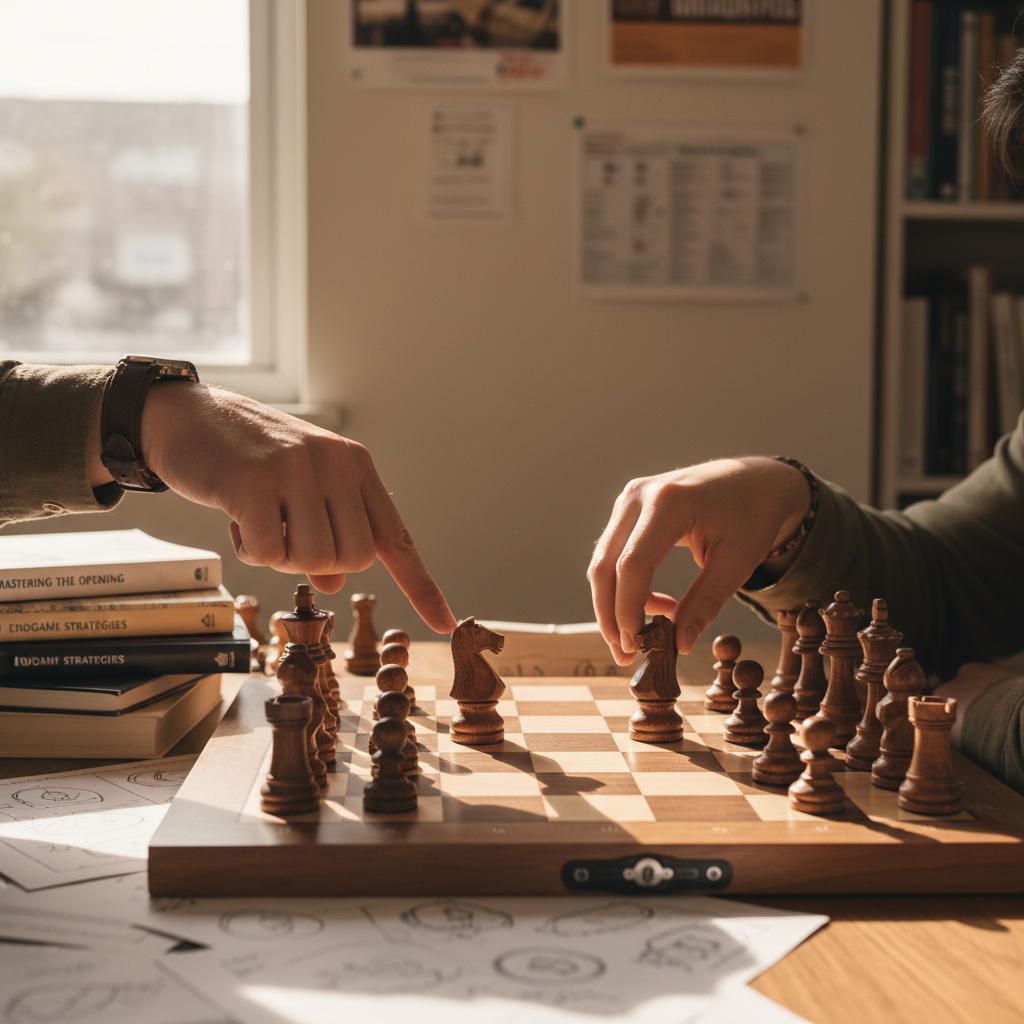
Before diving into strategies, it's essential for kids to understand the basic rules and movements. Familiarize them with how each piece moves: the pawn's straightforward march, the knight's unique L-shape, and the queen's versatile power. This foundation will set them up for strategic success.
Once they have a grasp of the basic movements, encourage them to play frequently. Practice is crucial in helping them recognize patterns and develop their own style of play.
Developing Opening Strategies
One of the first strategic steps in chess is mastering the opening. Teach your child the importance of controlling the center of the board. This allows greater mobility for their pieces and sets the stage for a strong game.
Encourage them to focus on developing their knights and bishops early. This will help them control the board and prepare for a robust middle game. Remind them to avoid moving the same piece multiple times in the opening unless necessary.

Mastering the Middle Game
The middle game is where tactics and strategies come into full play. Teach your child to look out for opportunities to attack their opponent's pieces while defending their own. This balance is key to maintaining control.
Encourage them to be mindful of pawn structure and piece coordination. Keeping their pieces active and working together can create powerful threats and open lines for attack.
Endgame Techniques
As the game progresses to the endgame, teach your child the importance of promoting pawns and activating their king. The king becomes a powerful weapon in the endgame, so understanding how to use it effectively can turn the tide of the game.
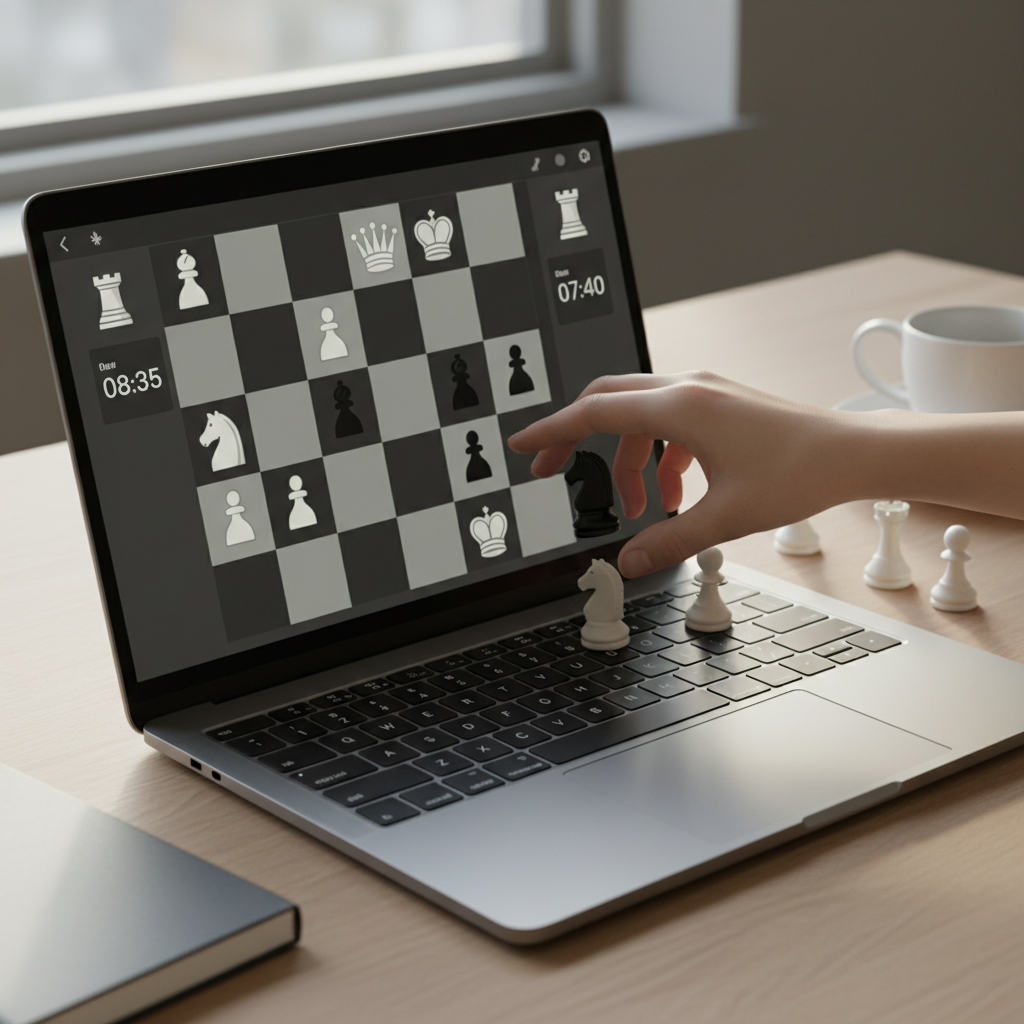
Knowing basic checkmating patterns, like the two-rook or queen-and-rook checkmate, can give them an edge. Encourage them to practice these techniques regularly.
Learning from Mistakes
Mistakes are an inevitable part of chess, especially for beginners. Teach your child to view them as learning opportunities rather than setbacks. Analyzing games, understanding errors, and thinking about alternative moves can significantly improve their skills.
Encourage them to play against stronger opponents occasionally. This challenge will expose them to new strategies and help them grow as players.
Conclusion: Making Chess Fun
Ultimately, the most important aspect of chess for kids is to have fun. Encourage them to enjoy the process of learning and playing. Celebrate their progress and help them set achievable goals. With practice and encouragement, they'll not only become better players but also develop valuable life skills.