
Why Chess is the Perfect After-School Activity for Chessington Kids
JB
The Benefits of Chess for Kids
Chess is more than just a game; it’s a tool that enhances cognitive skills and builds character. For children, especially those in Chessington, engaging in chess as an after-school activity offers numerous advantages. From boosting critical thinking to fostering patience, the benefits are extensive and impactful.

Enhancing Cognitive Abilities
Chess is renowned for its ability to improve cognitive function. It requires players to think several moves ahead, enhancing their strategic thinking and problem-solving skills. This mental exercise helps children develop better memory and concentration, which are crucial for academic success.
When kids play chess, they learn to analyze patterns and anticipate their opponent’s moves. This skill translates into improved academic performance, particularly in subjects like math and science, where logical thinking is essential.
Building Life Skills
Beyond academics, chess teaches valuable life skills. It encourages children to be patient and think before they act, a skill that is beneficial in everyday life. The game also promotes resilience, as players often face setbacks and learn to keep pushing forward despite challenges.

Social Interaction and Sportsmanship
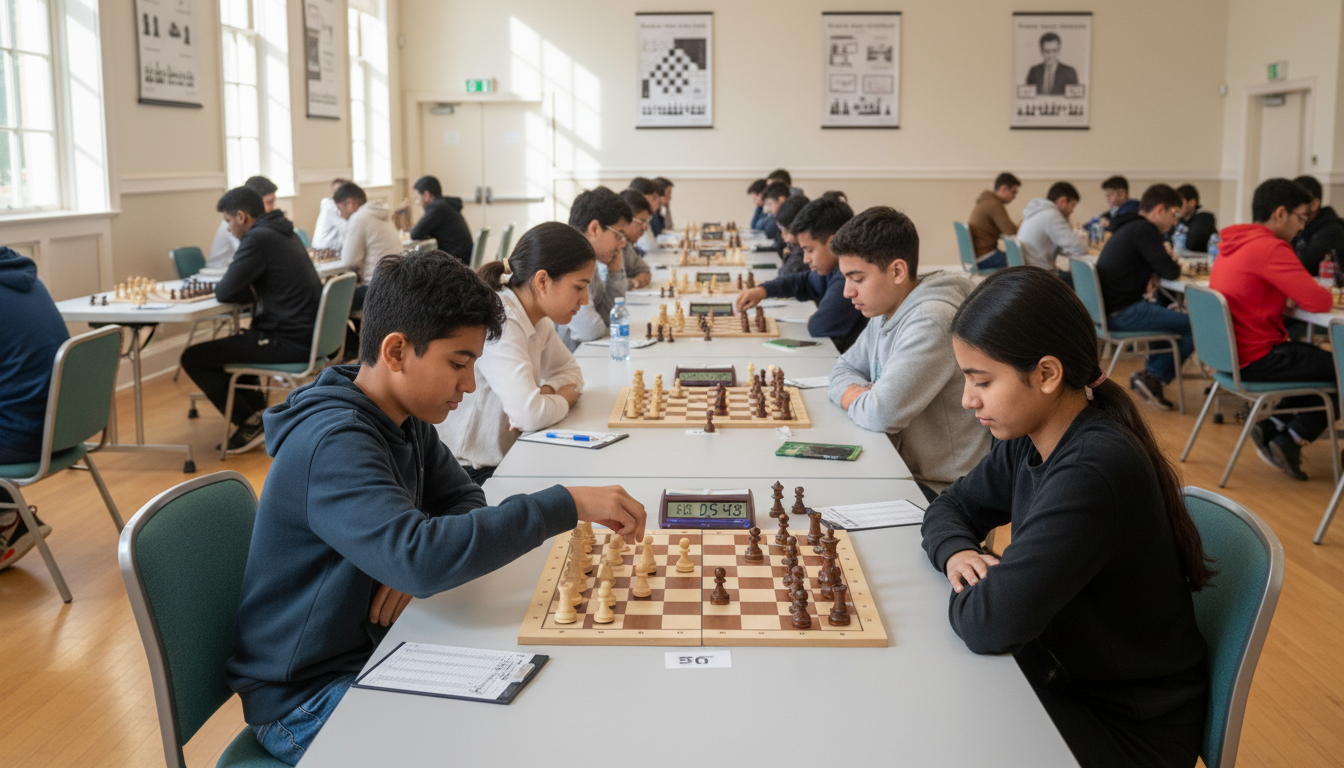
Chess provides a platform for social interaction. Kids engage with peers, learn to communicate effectively, and develop strong sportsmanship qualities. They understand the importance of winning gracefully and losing with dignity, which are essential traits in both personal and professional settings.
Participating in chess tournaments further enhances these social skills, as children meet new people and experience diverse perspectives. This exposure helps them become more adaptable and open-minded individuals.
A Safe and Inclusive Environment
One of the appealing aspects of chess is its inclusivity. It is a game that welcomes everyone, regardless of age, gender, or physical ability. This ensures that every child feels valued and included, promoting a sense of belonging and community.
Encouraging Discipline and Time Management
Chess requires discipline and commitment, as players must practice regularly to improve. This dedication cultivates a sense of responsibility and time management, skills that are beneficial throughout life. Children learn to balance their time between studies, chess, and other activities, promoting a well-rounded lifestyle.
Ultimately, chess is not just a game; it’s a comprehensive developmental tool. By encouraging children in Chessington to participate in chess as an after-school activity, parents and educators can support their growth into thoughtful, skilled, and well-rounded individuals.